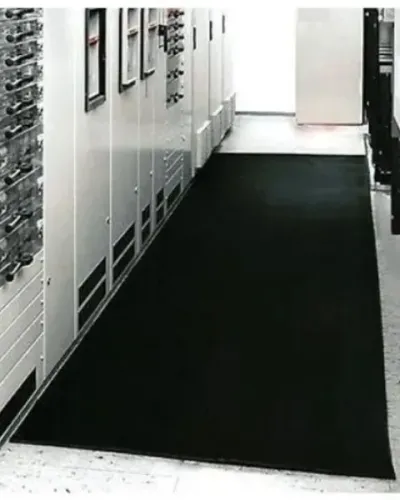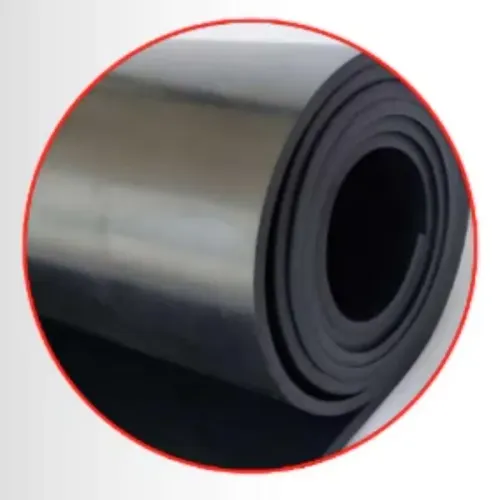
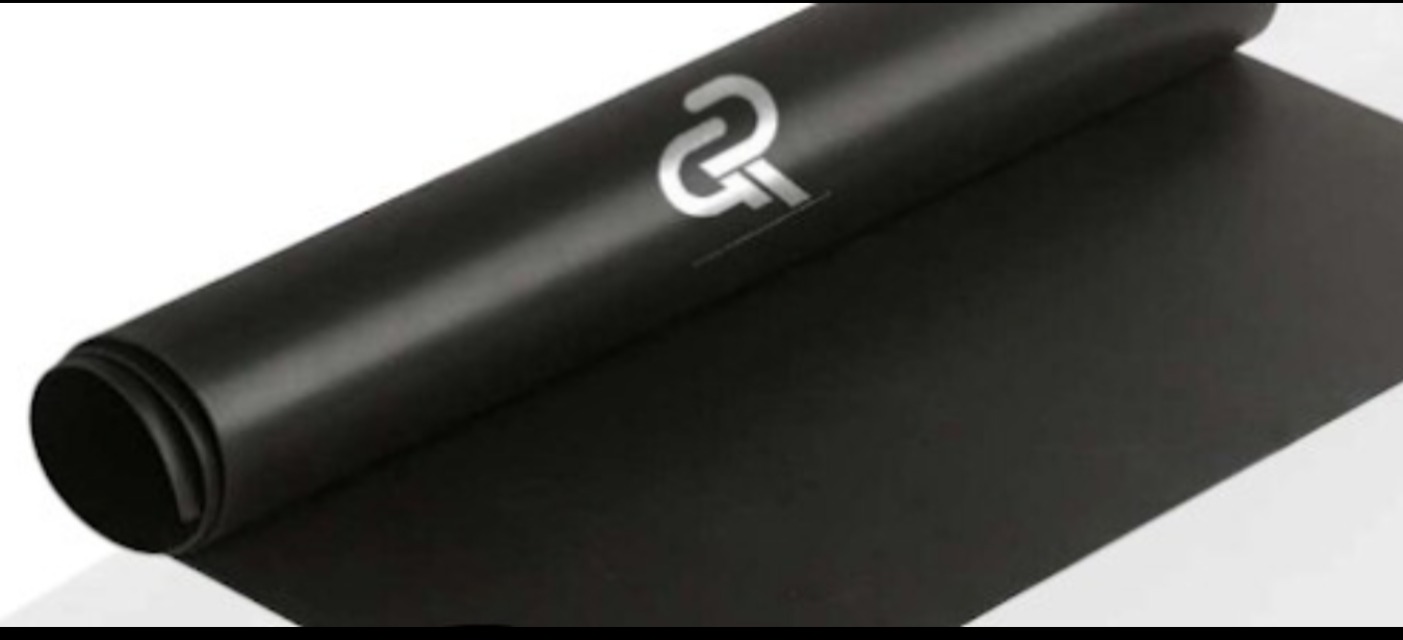
Electrical work areas require products selected for their intended safety function rather than their appearance. An Insulating Mat used around electrical equipment should be evaluated according to applicable specifications, voltage requirements, installation conditions, and product documentation.
This distinction matters for factories, substations, industrial facilities, engineering units, and maintenance departments in Nagpur.
Understand the Purpose of Electrical Insulation
An insulating mat is not simply a conventional rubber floor covering.
Its purpose is associated with electrical safety in designated working areas, subject to the applicable standard, rating, installation requirements, and workplace safety procedures.
Procurement teams should therefore avoid substituting an ordinary rubber mat for a product specifically designed and tested for electrical applications.
Identify the Electrical Requirement
Before requesting quotations, determine where the mat will be installed and the electrical conditions relevant to that location.
The appropriate specification may depend on factors including:
- System voltage
- Applicable standard
- Required class or rating
- Mat dimensions
- Thickness
- Installation area
- Environmental conditions
- Documentation requirements
The responsible electrical or safety team should define the necessary technical requirement.
Check Product Documentation
When buying an Insulating Mat, procurement should ask for appropriate product details and documentation relevant to the required specification.
Do not rely solely on colour, thickness, surface pattern, or a generic claim that the product is rubber.
The stated standard and electrical rating are far more important.
Measure the Installation Area
Electrical rooms often contain panels, switchgear, control equipment, and defined operator positions.
Measure the floor area carefully and determine where insulation coverage is required according to the facility's safety procedures and applicable requirements.
Buying pieces without planning the layout can leave unsuitable gaps or create unnecessary material waste.
Inspect Mats During Service
Installation is not the end of safety management.
The mat should be maintained according to applicable procedures and manufacturer guidance. Damage, contamination, ageing, cuts, deterioration, and unsuitable storage conditions can affect its condition.
Facilities should incorporate appropriate inspection into their electrical safety practices.
Make Supplier Evaluation Part of Procurement
Industrial buyers should communicate the required standard, rating, size, thickness, quantity, and documentation when seeking quotations.
Kanta Enterprises in Nagpur supplies industrial rubber products, including requirements for businesses seeking application-specific matting. Clear technical information enables a more meaningful product discussion than requesting an electrical rubber mat without further specification.
For industrial facilities across Maharashtra, electrical safety purchases should remain specification-led. Cost comparison is useful only after confirming that the products being compared meet the required technical criteria.
FAQs
Is every rubber mat an Insulating Mat
No. A general rubber mat should not be assumed to provide the electrical insulation required for electrical work areas. Use appropriately specified products.
What should procurement specify when buying insulating mats
Relevant information includes the applicable standard, electrical rating or class, dimensions, thickness, quantity, and installation requirements.
Can insulating mats be selected based on thickness alone
No. Thickness alone does not establish electrical performance. Applicable standards, ratings, testing, and product documentation need consideration.
Should insulating mats be inspected after installation
Yes. Appropriate inspection and maintenance should form part of the facility's electrical safety procedures, following applicable requirements and manufacturer guidance.
Keywords