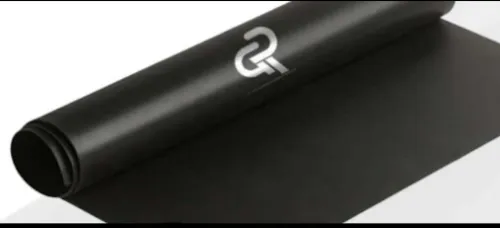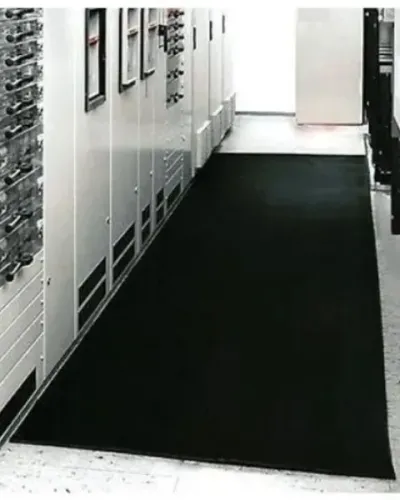
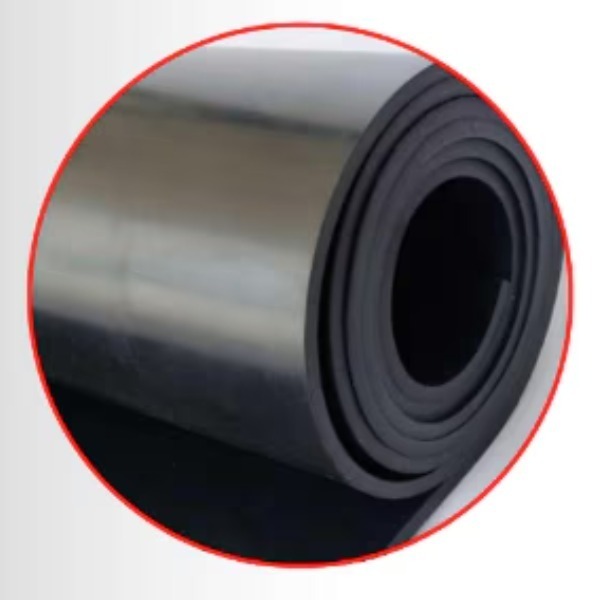
Industrial rubber sheeting is used for far more than basic floor protection. Depending on the grade and specification, a Rubber Sheet may be considered for gaskets, packing, cushioning, lining, isolation, protective layers, and fabricated industrial components.
The challenge for buyers is that rubber sheets can appear similar while performing very differently.
Start With the Intended Function
A purchasing decision becomes easier when the exact function is defined first.
Ask whether the sheet will be used for:
- Gasket fabrication
- General packing
- Cushioning
- Surface protection
- Equipment lining
- Vibration isolation
- Industrial fabrication
- Oil-exposed applications
- Outdoor applications
The correct rubber compound and physical properties depend heavily on this answer.
Material Grade Matters
Different rubber compounds can provide different levels of resistance to oils, weather, heat, chemicals, abrasion, and mechanical stress.
For this reason, buyers should avoid specifying only thickness and dimensions.
If the Rubber Sheet will encounter oil, elevated temperature, chemicals, or outdoor weather, communicate those conditions before purchase.
Chemical resistance in particular should be confirmed against the actual substance and operating conditions.
Thickness Should Match the Application
Thicker does not automatically mean better.
A gasket application may require a particular thickness to suit flange geometry and compression conditions. Protective lining may have different requirements. Fabricated parts may need a balance between flexibility and dimensional stability.
Selecting excessive thickness can make fabrication difficult without providing a useful benefit.
Check Surface and Physical Requirements
Some applications require particular surface characteristics, hardness, tensile properties, or other physical specifications.
Procurement teams should define these requirements where they are technically relevant instead of relying on a generic product description.
For repeated OEM components, maintaining a documented material specification is especially valuable.
Think About Fabrication Early
If sheets will be cut into gaskets, strips, pads, or custom components, consider fabrication dimensions before ordering.
Efficient planning can reduce unnecessary material waste. Sheet dimensions should be selected with the intended cutting pattern in mind where possible.
For manufacturers and engineering companies in Nagpur, this can matter when multiple identical parts are produced from sheet material.
Evaluate the Supplier With Technical Details
A useful enquiry should include material preference where known, thickness, dimensions, quantity, application, temperature, media exposure, and any important physical properties.
Kanta Enterprises supplies industrial rubber products for businesses across manufacturing, engineering, maintenance, construction, and processing sectors in Nagpur, Maharashtra. Clear application details allow discussions to move beyond generic sheet descriptions toward the required specification.
The right sheet is ultimately determined by the environment in which it must perform.
FAQs
How do I choose the right Rubber Sheet material
Start with the application, operating temperature, contact media, outdoor exposure, mechanical requirements, thickness, and relevant material properties.
Is thicker rubber sheet always more durable
No. Durability depends on material composition, operating conditions, mechanical stress, and suitability for the application, not thickness alone.
Can rubber sheets be cut into industrial gaskets
Many rubber sheets are used for gasket fabrication, but the material grade and properties need to match the sealing application.
What details should be given when requesting a quotation
Specify dimensions, thickness, quantity, intended use, environmental exposure, temperature, and contact media along with any required material grade.
Keywords